Palletizing Robot Maintenance Procedure
SKU: cnc-2000
The palletizing robot maintenance procedure is critical to ensuring its long-term stable operation and extending its service life, encompassing a full set of maintenance steps including pre-startup inspection, daily cleaning, lubrication maintenance, functional testing, and more.
The palletizing robot maintenance procedure is critical to ensuring its long-term stable operation and extending its service life, encompassing a full set of maintenance steps including pre-startup inspection, daily cleaning, lubrication maintenance, functional testing, and more.
The palletizing robot maintenance procedure is critical to ensuring its long-term stable operation and extending its service life. Below is a basic palletizing robot maintenance procedure guide:
- Pre-startup Inspection and Safety Preparation
- Check whether the power connection is normal and ensure stable voltage.
- Ensure adequate air supply and no air leakage issues.
- Verify that the emergency stop device functions properly.
- Clean the work area to prevent debris from interfering with robot operation.
- Daily Cleaning and Maintenance
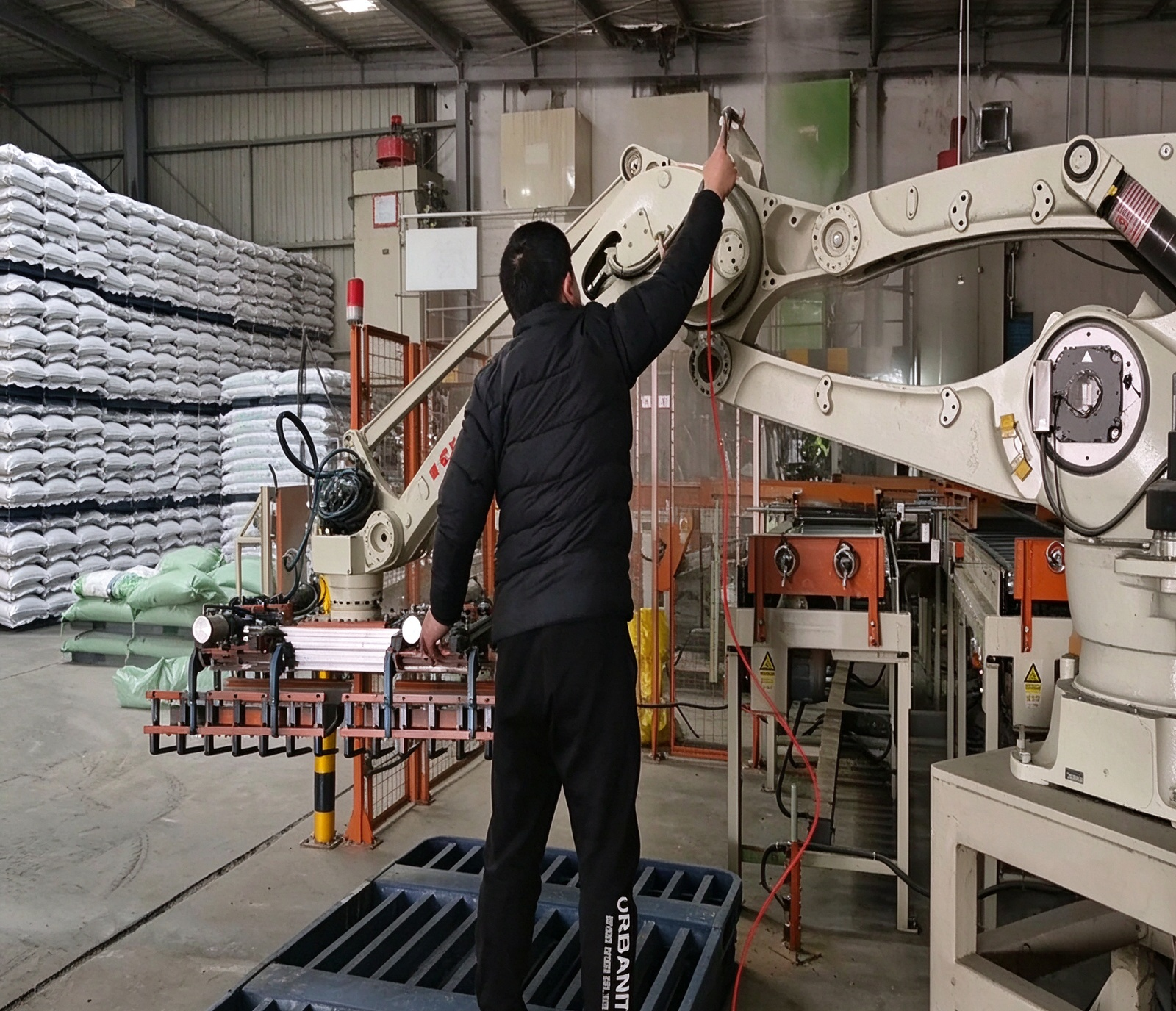
- Regularly clean dust, debris, and foreign objects from all robot components to prevent blockages or jamming.
- Timely detect and remove water stains or other liquids to keep the equipment dry and prevent electrical short circuits.
- Perform specialized cleaning on easily contaminated parts such as suction cups and grippers.
- Lubrication Maintenance
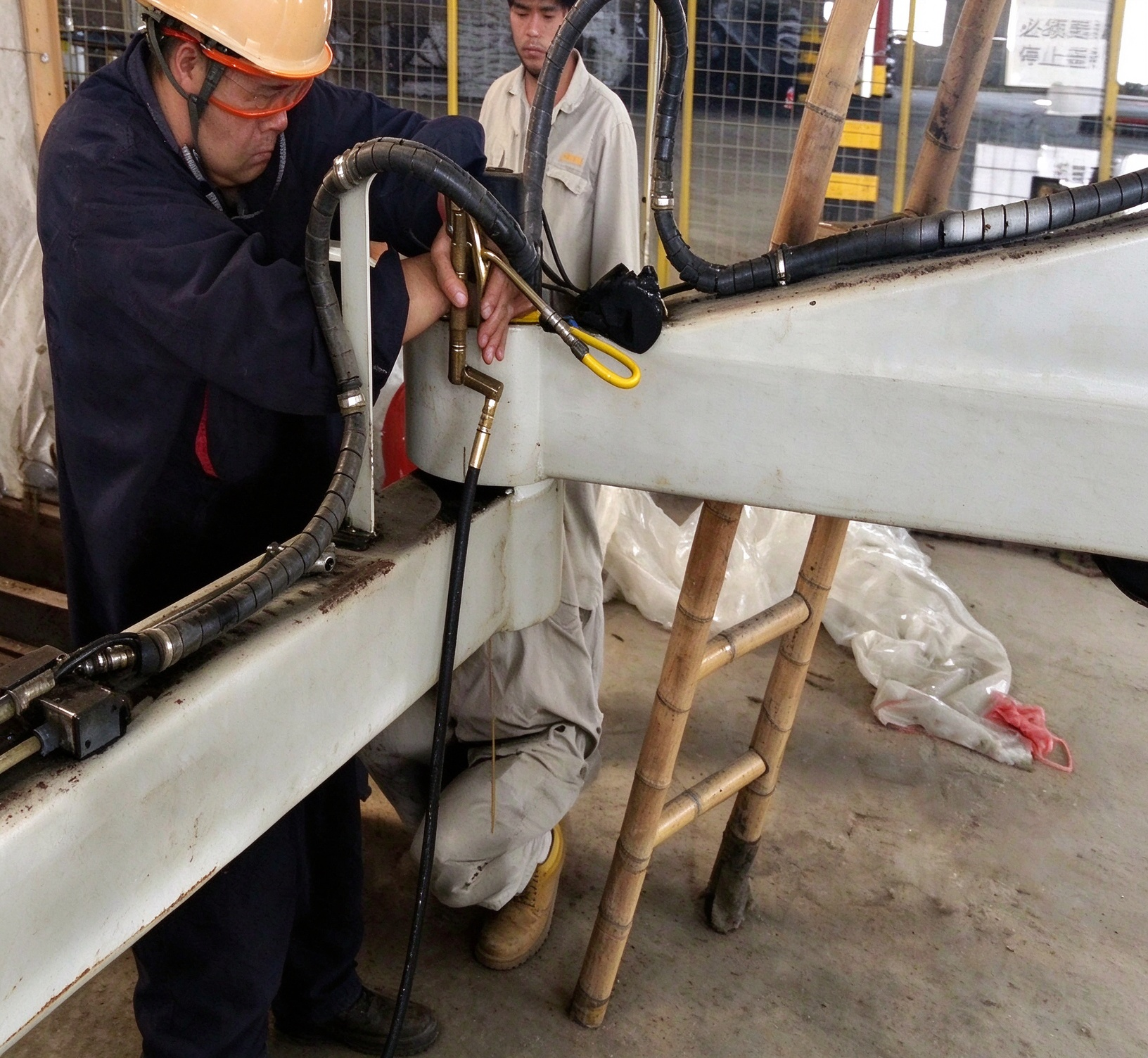
- Lubricate all moving joints, bearings, and guide rails according to the recommended intervals in the equipment manual, applying an appropriate amount of lubricating oil.
- Inspect the lubrication system’s operating status; replace or replenish grease as necessary.
- Functional Inspection and Maintenance
- Check whether all transmission mechanisms operate smoothly and listen for any abnormal noises.
- Test the operational status of sensors, photoelectric switches, and other electronic components.
- Verify the proper functioning of pneumatic components (e.g., cylinders, solenoid valves) and inspect seals for wear or damage.